
Injection Therapies
Our Services

Injection Therapies
Targeted, non-surgical treatment for pain that has not responded to rest, therapy, or time. Seven approaches across three categories, matched to what is actually causing the problem after a physician evaluates you in person.
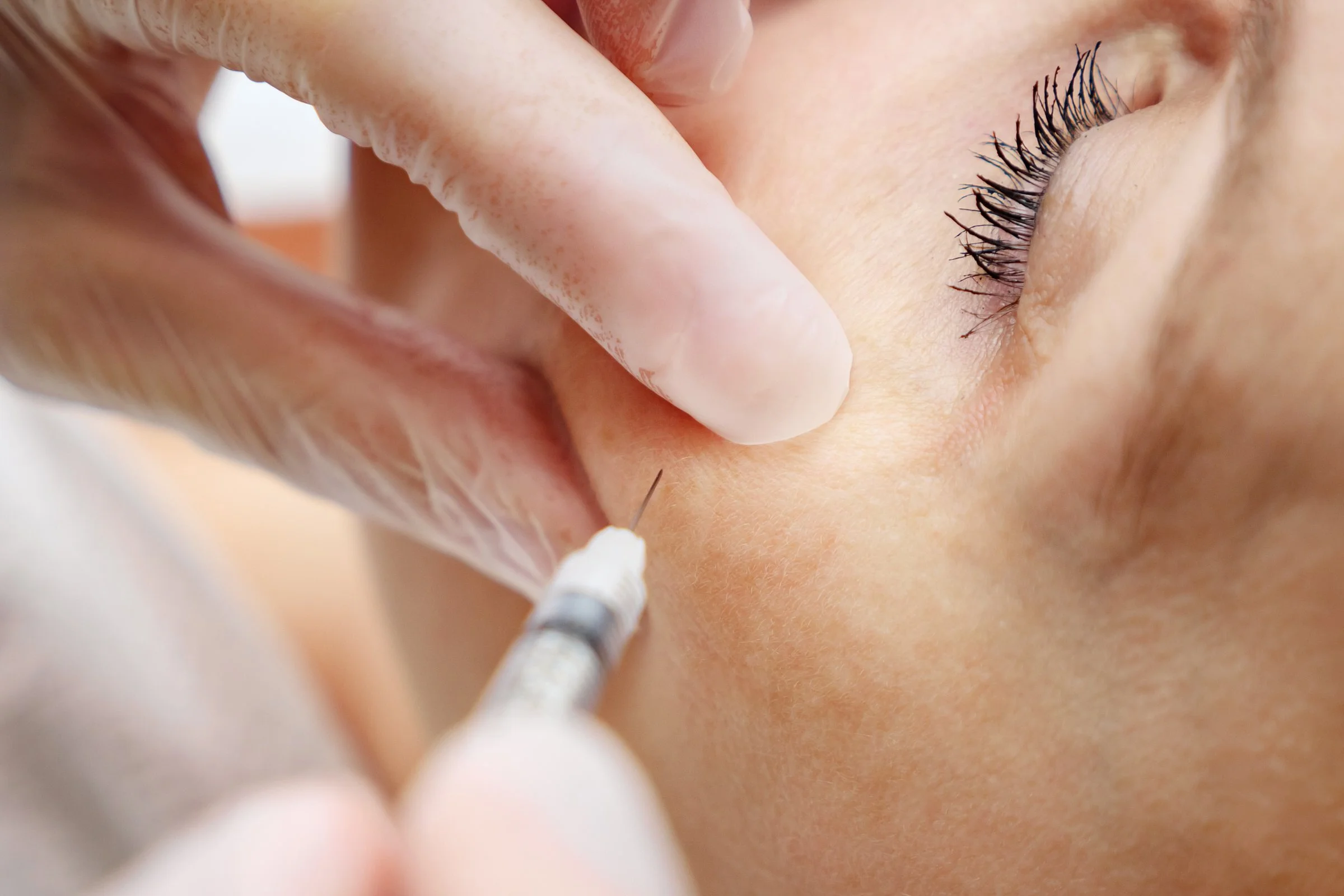
Regenerative Injections
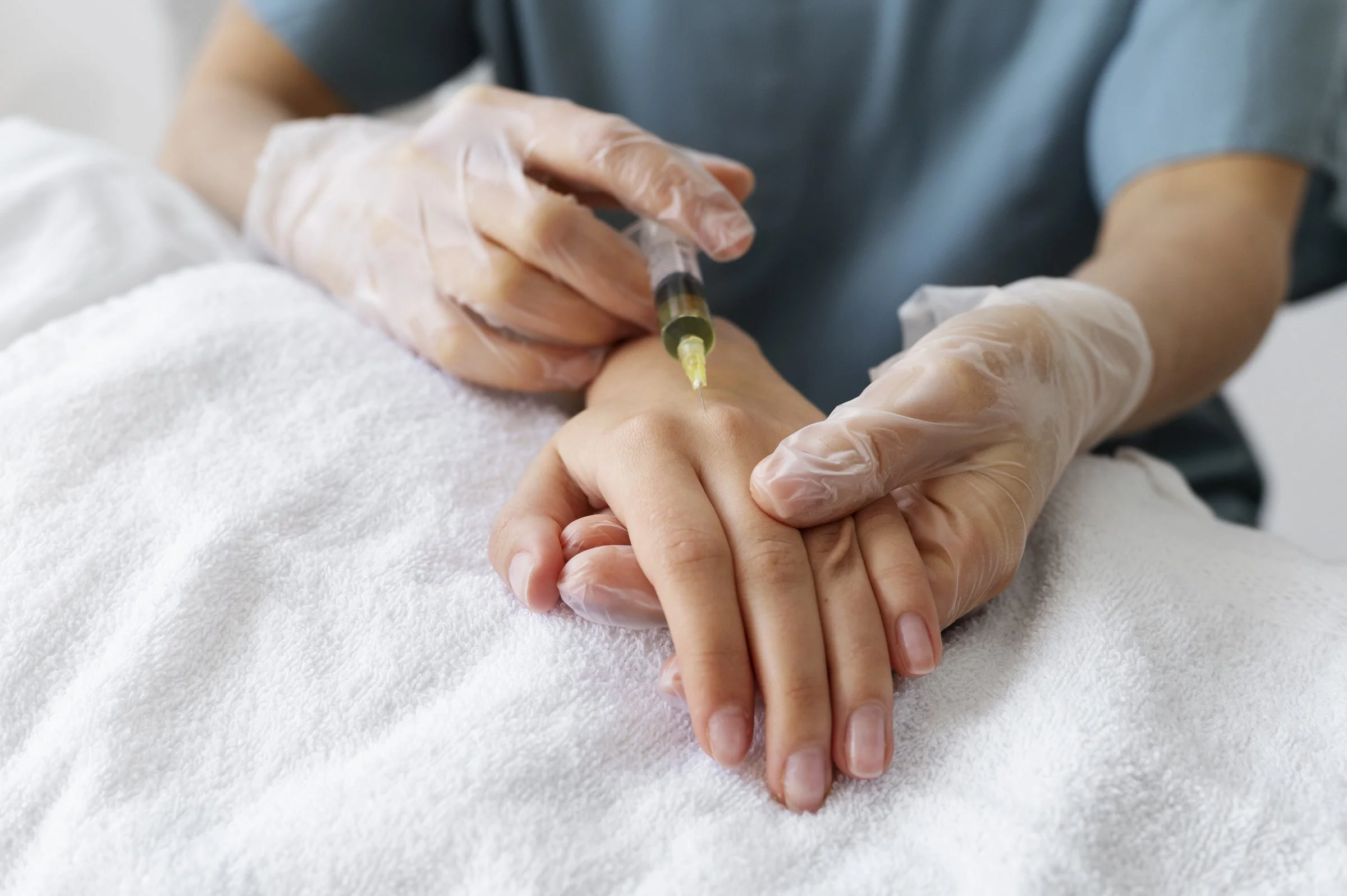
Prolotherapy
A regenerative approach for joints that feel unstable.
A dextrose-based solution injected into weakened ligaments, tendons, or joints to prompt a controlled healing response. Rather than quieting inflammation, prolotherapy uses it, encouraging new connective tissue to strengthen the area over a series of treatments spaced several weeks apart. Improvement is gradual by design rather than immediate.
Common Treatments
Chronic back pain · Sciatica · Knee pain · Shoulder pain · Rotator cuff injury · Plantar fasciitis · Tennis elbow · Frozen shoulder · Joint instability · Ehlers-Danlos Syndrome
Treatment Facts
Appointment length: 30 to 45 minutes
Results appear: Gradually, over several weeks to months
Downtime: Minimal. Temporary soreness at the injection site for a few days is expected
Frequency: A series of 3 to 6 sessions, spaced 3 to 6 weeks apart
Insurance Note: Regenerative injections are often considered elective and may not be covered. We will review your benefits before you begin.
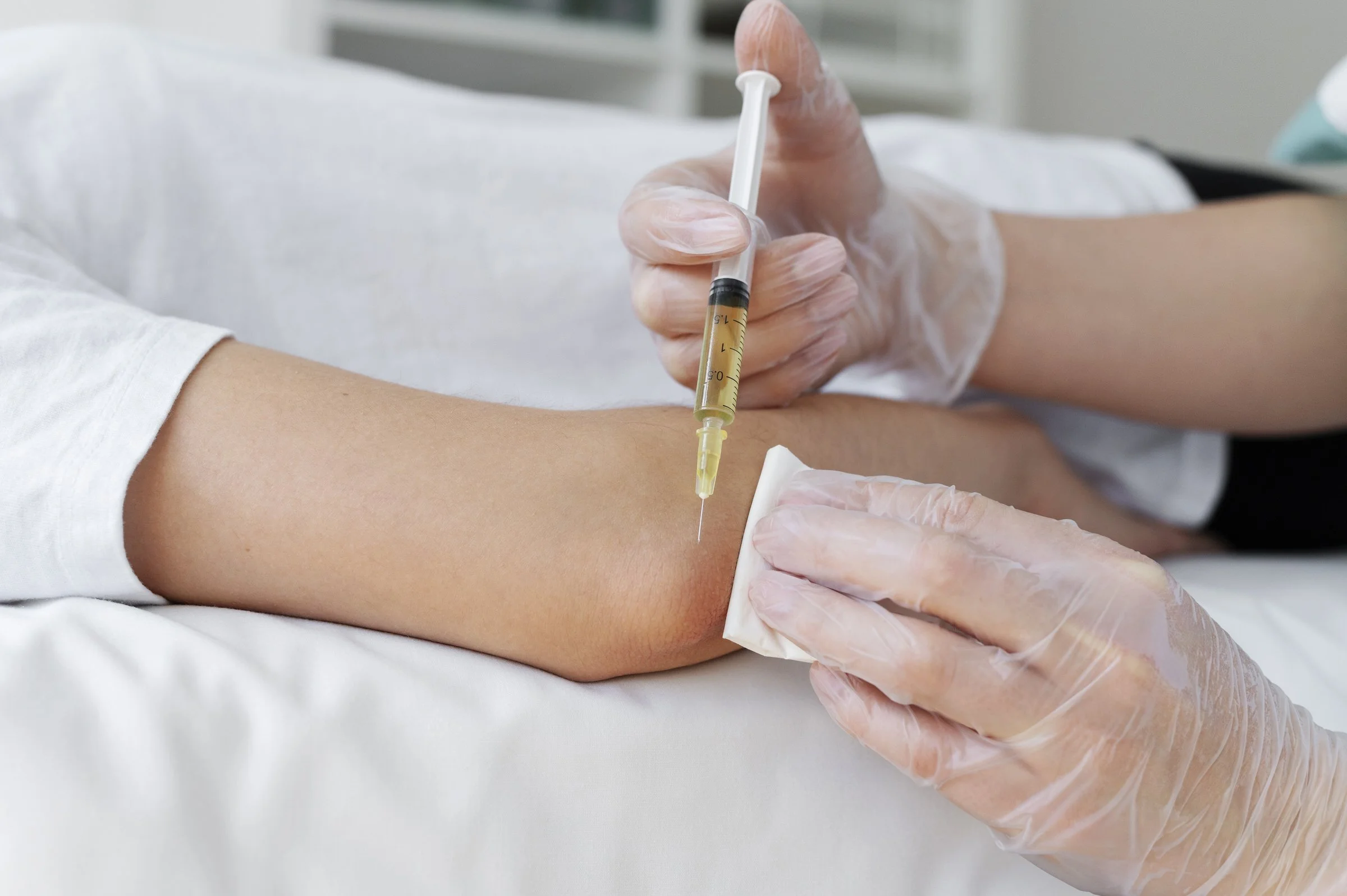
PRP Therapy
Your own platelets, concentrated and placed where it hurts.
A small sample of your blood is drawn and spun down to concentrate the platelets and growth factors already in it. That concentrate is then injected into the injured tendon, ligament, or joint. It is used most often for overuse injuries and stubborn tendon problems that have not settled with rest or physical therapy.
Common Treatments
Rotator cuff · Tennis elbow · Achilles tendinopathy · Patellar tendinopathy · Chronic ankle sprain · Knee osteoarthritis · Plantar fasciitis · Hip and gluteal tendinopathy
Treatment Facts
Appointment length: 45 to 60 minutes, including the blood draw and preparation
Results appear: Gradually, usually 4 to 12 weeks
Downtime: One to three days of soreness. Anti-inflammatory medication is typically paused around treatment
Frequency: 1 to 3 sessions, spaced 4 to 6 weeks apart
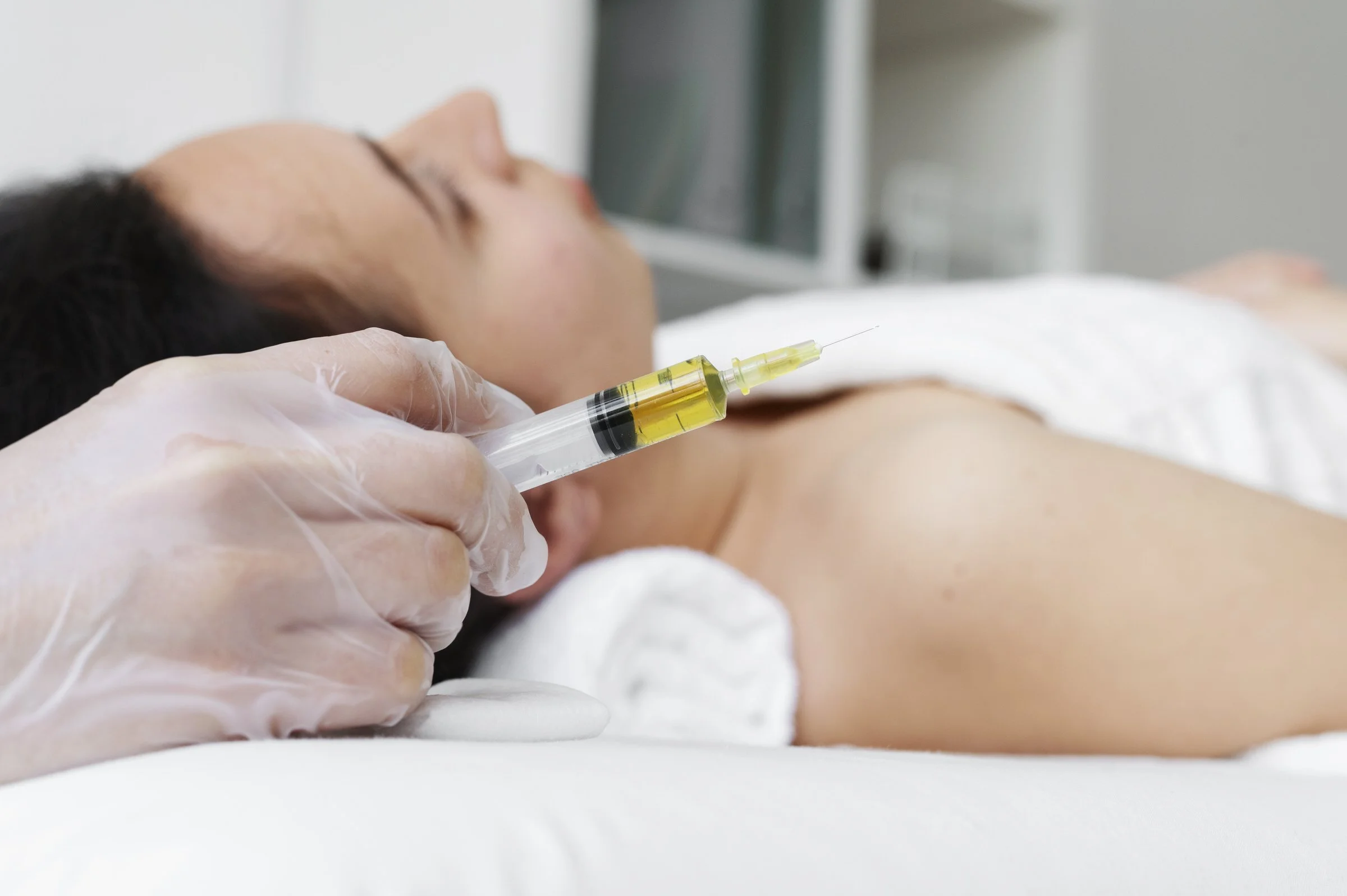
PRF Therapy
The same idea as PRP, released more slowly.
PRF begins the same way as PRP, but the sample is processed differently. The result is a fibrin matrix with a gel-like consistency that holds growth factors in place and releases them over a longer window. Nothing is added to it, which makes PRF an option for patients who cannot use hyaluronic acid or fillers.
Common Treatments
Osteoarthritis · Chronic joint pain · Tendon injuries · Ligament injuries · Rotator cuff · Tennis elbow · Achilles tendinopathy · Slow-healing soft tissue
Treatment Facts
Appointment length: 45 to 60 minutes, including the blood draw and preparation
Results appear: Gradually, usually 4 to 12 weeks
Downtime: Mild redness, swelling, or bruising for a few days
Frequency: A series of sessions, spaced several weeks apart
Inflammation & Pain Relief Injections
Joint Injections
Relief delivered directly into the joint that hurts.
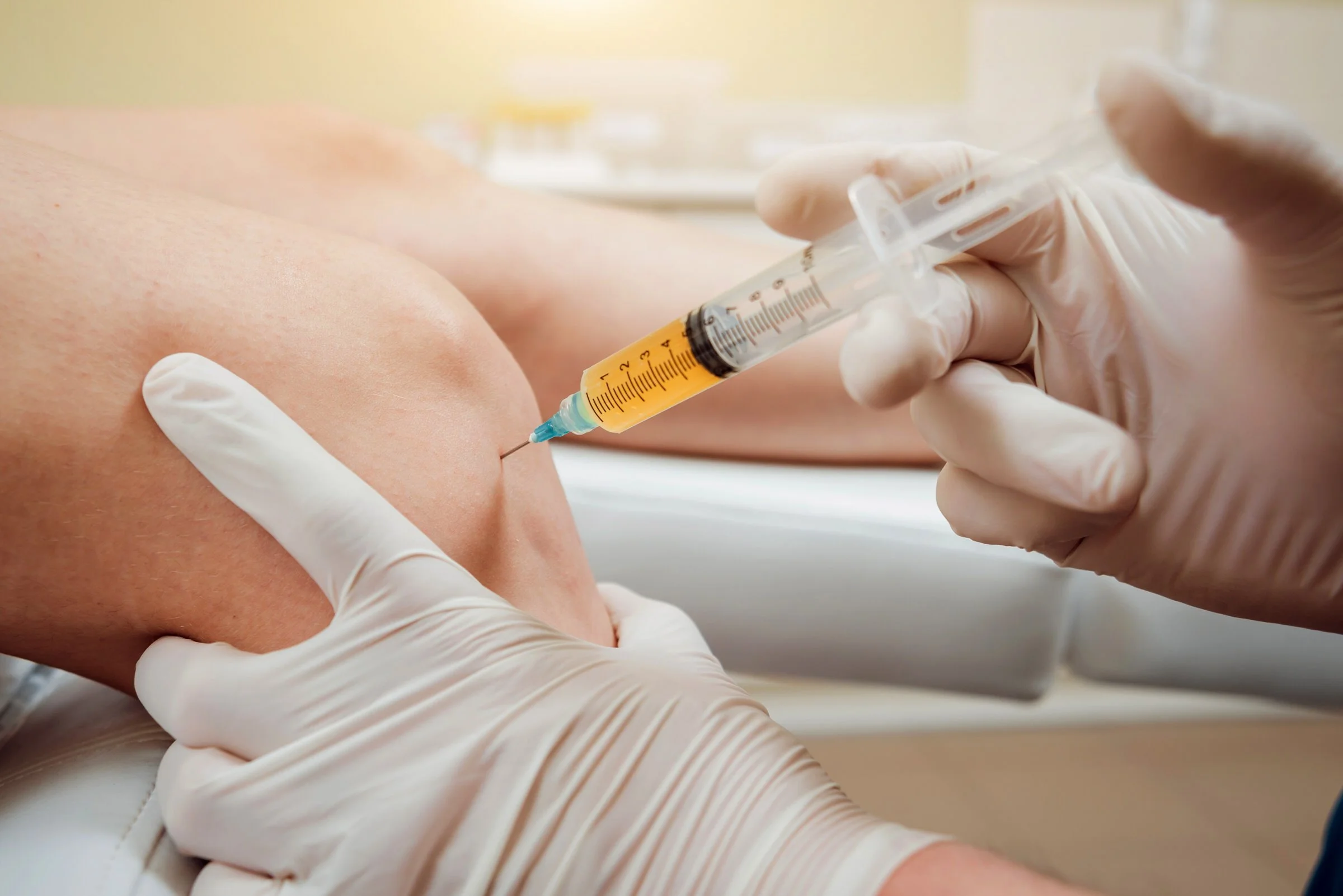
A corticosteroid or hyaluronic acid injection placed precisely into an affected joint to reduce inflammation and improve movement. Used in knees, shoulders, hips, wrists, elbows, ankles, and the small joints of the hands and feet. Most patients come in when stiffness has started limiting what they do in a day.
Common Treatments
Osteoarthritis · Bursitis · Tendinitis · Rotator cuff disorders · Frozen shoulder · Tennis and golfer's elbow · Plantar fasciitis · Degenerative joint disease
Treatment Facts
Appointment length: 20 to 30 minutes
Results appear: A few days to several weeks
Downtime: None to minimal
Frequency: Determined per joint and per patient. Corticosteroid injections are generally limited to 3 to 4 per joint per year
Trigger Point Injections
For the knots that keep pulling everything else.
Trigger points are tight bands in muscles that refer pain elsewhere, which is why a knot in your shoulder can read as a headache. A small amount of medication is injected directly into the band to release tension and restore range of motion. The appointment is short.

Common Treatments
Tension headaches · Chronic neck pain · Chronic back pain · Fibromyalgia · Whiplash injuries · Muscle spasms · Repetitive strain · Postural dysfunction
Treatment Facts
Appointment length: 15 to 20 minutes
Results appear: Often immediate, with full effect in 24 to 72 hours
Downtime: None. Mild soreness for a few days is normal
Frequency: As needed, based on response
Corticosteroid Injections
For inflammation that sits outside the joint.
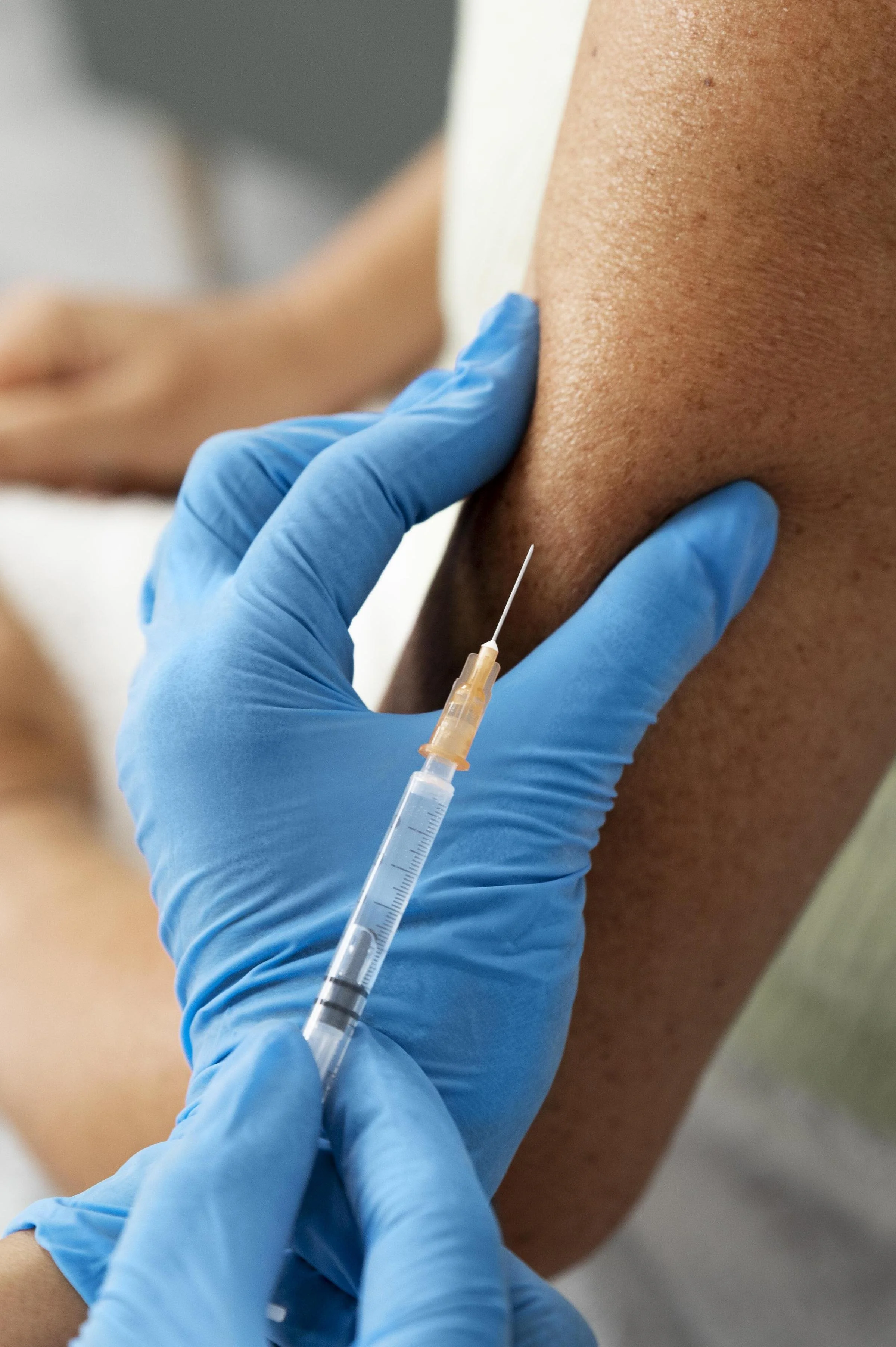
Not all inflammation lives inside a joint. Bursae, tendon sheaths, and the soft tissue surrounding a joint can become inflamed on their own, and a corticosteroid placed directly into that structure can quiet it down. Often used when swelling and pain are limiting movement and a reset would let rehabilitation actually move forward.
Common Treatments
Bursitis · Tendon sheath inflammation · Carpal tunnel syndrome · Trigger finger · De Quervain's tenosynovitis · Plantar fasciitis · Shoulder impingement · Greater trochanteric pain
Treatment Facts
Appointment length: 15 to 30 minutes
Results appear: 24 hours to about a week
Downtime: None to minimal. A brief flare in the first day or two is possible
Frequency: Spaced at least 3 months apart, generally limited to 3 to 4 per site per year
Ketorolac Injections
Strong anti-inflammatory relief, without an opioid.
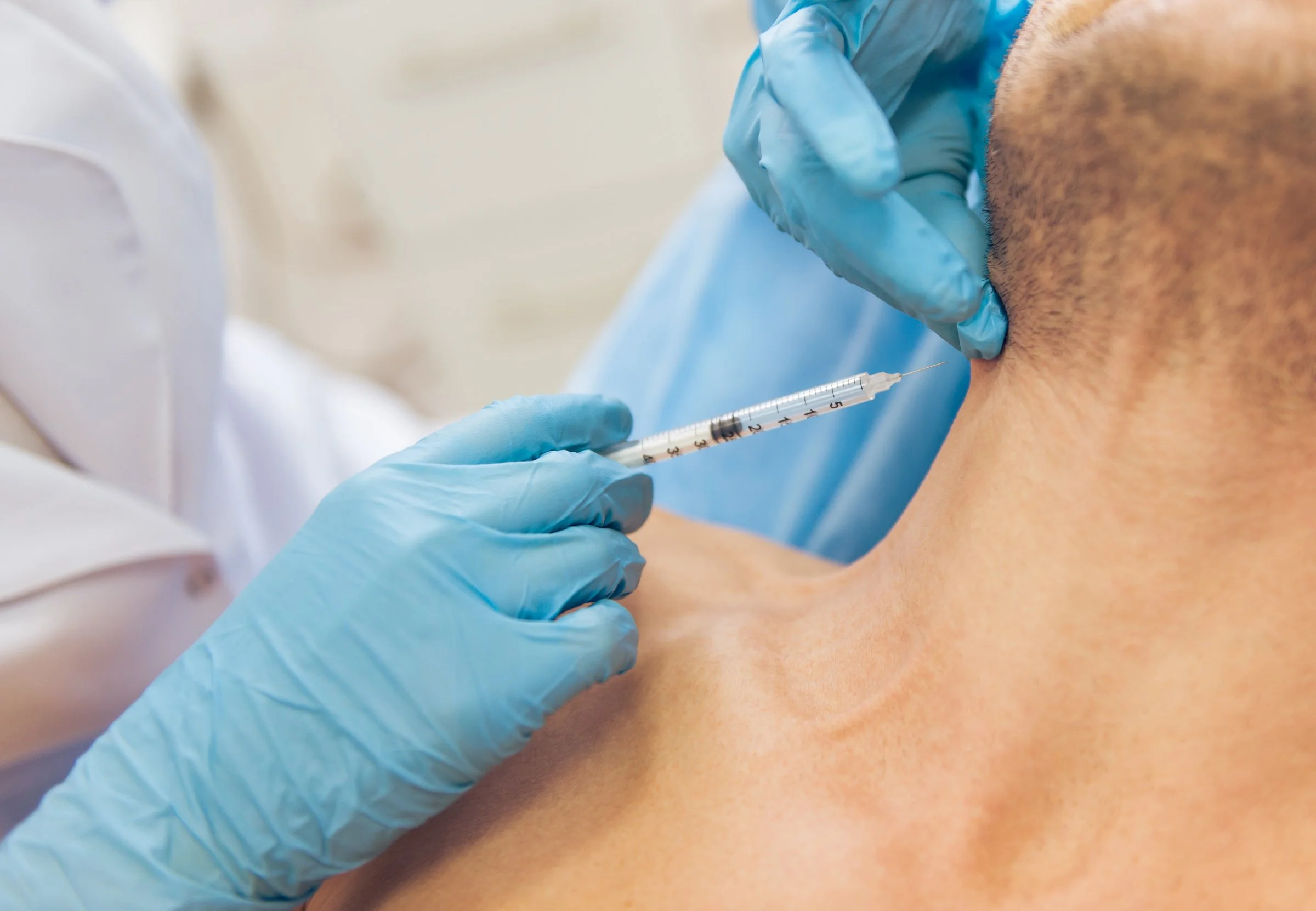
Ketorolac is a non-steroidal anti-inflammatory given as a single injection. It is used for short-term flares, acute musculoskeletal pain, and certain headaches when oral medication is not doing enough and an opioid is not the right answer. It works quickly and is meant for occasional use rather than ongoing pain management.
Common Treatments
Acute back pain flares · Acute neck pain · Migraine and severe headache · Muscle strains and sprains · Post-injury pain · Joint flares
Treatment Facts
Appointment length: 10 to 15 minutes
Results appear: Typically within 30 to 60 minutes
Downtime: None. Most patients resume normal activity the same day
Frequency: Short-term use only. Not intended for repeated or ongoing dosing
Insurance Note: Ketorolac is not appropriate for everyone. Your physician will review your kidney function, bleeding risk, and medication list first.
Wellness Injections
B12 Injections
For the fatigue that rest does not fix.
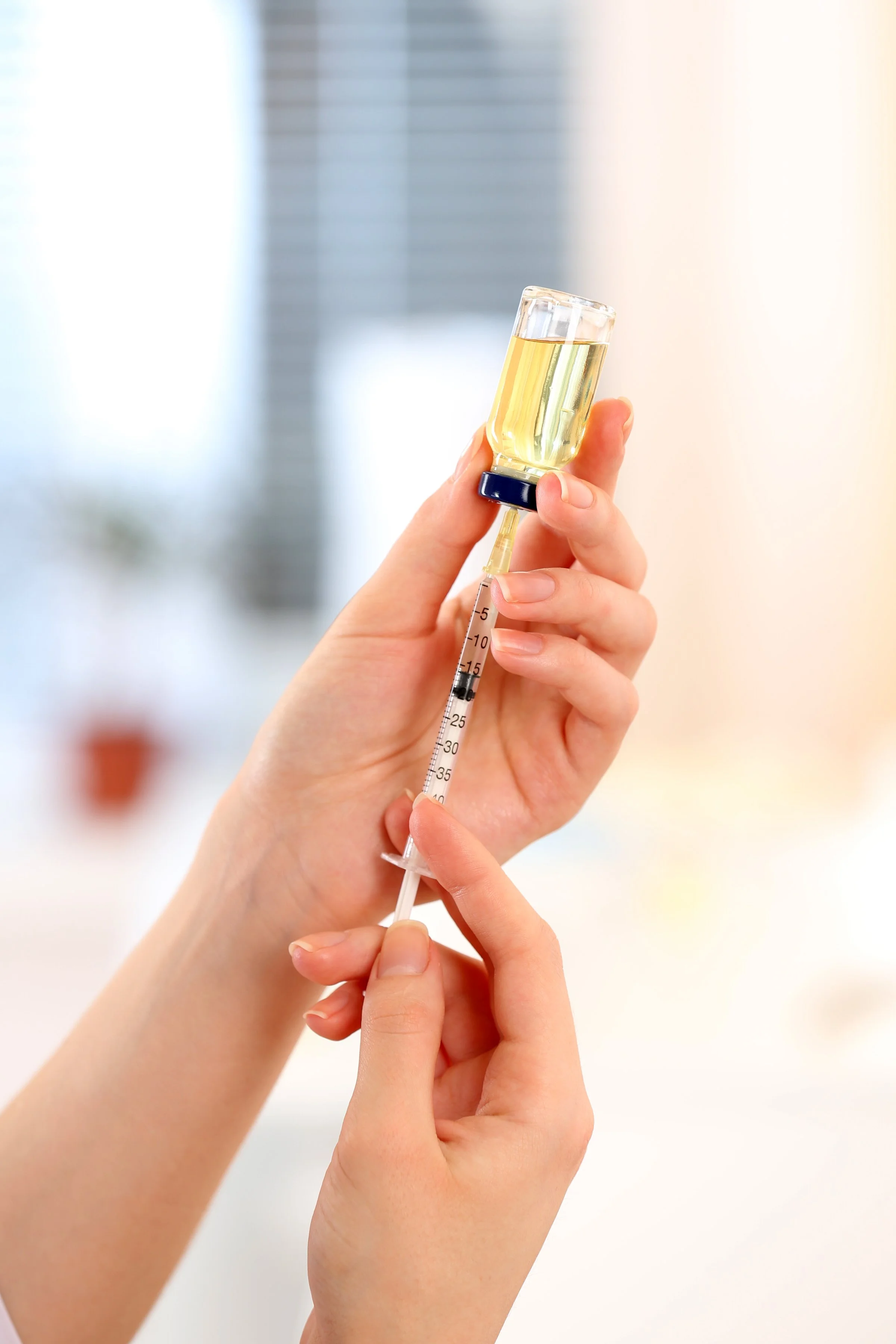
Vitamin B12 supports nerve function, red blood cell production, and how your body converts food into energy. Some people absorb it poorly from food or supplements, and a low level can show up as fatigue, brain fog, numbness, or tingling. An injection bypasses digestion entirely. Testing comes first, so treatment is based on your actual levels.
Common Treatments
Documented low B12 · Fatigue · Brain fog · Numbness or tingling · Pernicious anemia · Vegetarian and vegan diets · After bariatric surgery · Long-term metformin or acid reducer use
Treatment Facts
Appointment length: 10 to 15 minutes
Results appear: Within a few days for some patients, over several weeks for others
Downtime: None
Frequency: Weekly to monthly, based on lab results and symptoms
Frequently Asked Questions
What most people want to know first.
If you are weighing an injection against waiting it out a little longer, these cover the parts that usually decide it. Anything specific to your history gets answered in person, at your evaluation, before anything is scheduled.
-
You do not need to arrive knowing. The evaluation comes first. Your physician examines the area, reviews your history and imaging, and identifies whether the problem is coming from the joint surface, the surrounding soft tissue, the muscle, or ligament laxity. The injection is chosen from that.
-
Most patients describe it as brief. There is a pinch going in, then pressure or a mild sting while the medication is placed. Regenerative injections tend to be the more uncomfortable of the group. Soreness afterward is common and usually settles within a few days.
-
It depends on the injection and your plan. Joint, trigger point, corticosteroid, and ketorolac injections are frequently covered when medically necessary. Prolotherapy, PRP, and PRF are more often treated as elective. We will verify your benefits and give you a number before you commit to anything.
-
For most inflammation and pain relief injections, the same day. Regenerative injections are different. Because they rely on a healing response, you may be asked to modify activity for a short period and to avoid anti-inflammatory medication around the treatment. Your physician will give you specifics.
-
For some patients, yes. Reducing pain and inflammation enough to move well again can delay surgery or make it unnecessary. That is not true of every condition, and it is not something anyone should promise before examining you. A thorough evaluation is the only honest way to answer this.
-
Often, and that is usually the point. An injection can calm an area enough for hands-on treatment and rehabilitation to actually take hold. Most patients here end up on a plan that combines the two rather than relying on injections by themselves.